A multi-day convention shuttle service in Los Angeles needs a separate operating schedule for each day. Registration, general sessions, breakouts, exhibitor access and evening events create different passenger patterns, so copying one timetable across the entire convention can produce empty runs or capacity problems.
Build a day-by-day movement matrix
For each day, list the hotels, venue, staff report times, attendee program, evening events and expected riders. Mark movements that repeat and those that occur only once.
Separate attendee, staff and exhibitor schedules
Staff and exhibitors may arrive before attendee service begins. Speakers may need dedicated timing. Identify these groups instead of forcing every passenger into the public shuttle schedule.
Plan the arrival peak
Opening day may concentrate arrivals around registration, while later days begin with attendees already settled at hotels. Adjust departure waves to the actual program.
Calculate complete vehicle cycles
Include hotel loading, Los Angeles traffic, venue entry, unloading and return to the next origin. This establishes the realistic number of runs one coach can complete.
Match capacity to each day
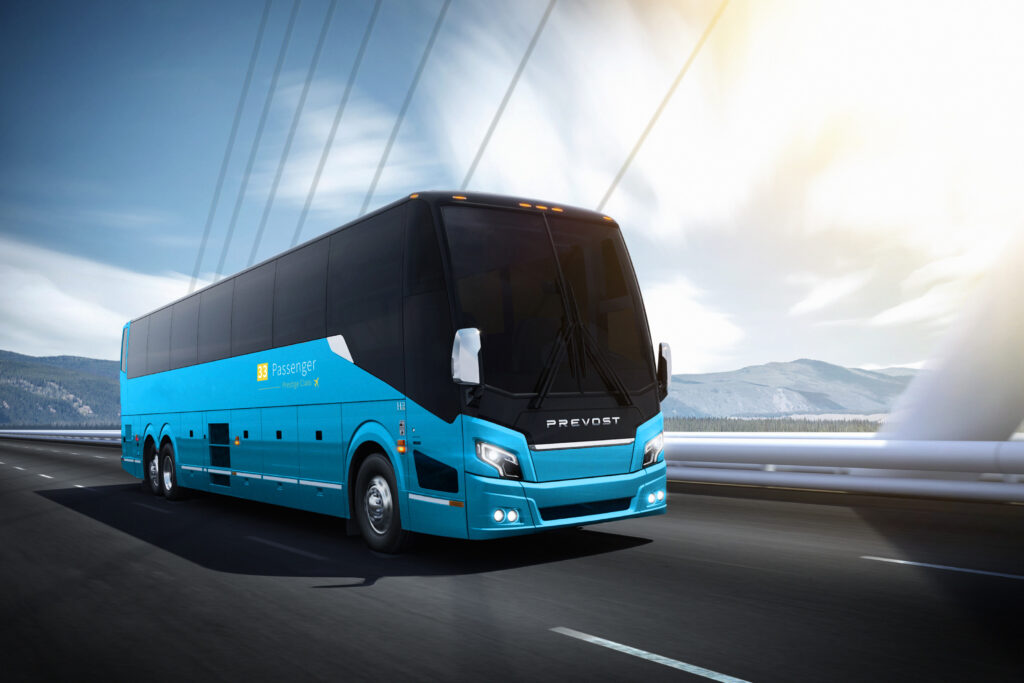
UniSky Express operates a 33-passenger Prevost coach. It may support a hotel route, staff group, speaker movement or defined convention segment whose peak demand fits 33 seats.
Do not assume the same capacity requirement applies to opening day, the main program and departure day.
Schedule hotel departures
Publish exact departure times and boarding windows. When serving multiple hotels, explain the order and ensure the first pickup does not create an unreasonable ride.
For detailed hotel logistics, see our hotel-to-convention center shuttle guide.
Include off-site events
Dinners, receptions and tours need their own passenger estimates, loading locations and return plans. Confirm whether attendees return to one hotel, several hotels or the convention venue.
Plan the final departure day
Departure day may include luggage, airport transfers, hotel checkout and shorter sessions. Confirm luggage volume and avoid mixing incompatible timing assumptions.
Create a master schedule with version control
Use one controlled schedule containing dates, routes, times, locations, contacts and vehicle assignments. Record changes and distribute updated rider instructions from the same source.
Set daily confirmation deadlines
Define when the following day’s schedule becomes final and who can approve later changes. Event-day requests should be evaluated by the transportation coordinator before they reach drivers.
Track ridership by run
Record actual boardings for each departure. Use the data to adjust later days through the approved process, while protecting any departure needed for an operational group.
Prepare a communication plan
Attendees need clear pickup points and departure times. Staff need provider contacts and escalation rules. Hotels and venues need the current vehicle schedule and staging instructions.
Review each day after service
A short daily review can identify overloaded departures, unused runs, unclear signage or loading delays. Make only confirmed changes and document them in the master schedule.
Multi-day convention shuttle FAQ
Should every convention day use the same timetable?
No. Build schedules around each day’s program and passenger movements.
Can one vehicle operate several hotel routes?
Only if the complete cycles, passenger demand and event arrival deadlines do not conflict.
How should last-minute program changes be handled?
The authorized planner should request the change, and the provider must confirm feasibility before it is announced.
Can luggage be carried on departure day?
The coach has storage, but luggage and passenger volume must be reviewed in advance.
Request multi-day convention shuttle service
Send UniSky Express the convention dates, daily programs, hotels, venues and estimated riders by movement. We can review which part of the schedule fits our 33-passenger coach.